Specialized Wound Care For Complex,
Non-Healing Wounds
Healing Alabama,
One Wound At A Time.
Specialized wound care delivered with patience, precision, and a whole-person approach to healing. From diabetic ulcers to post-surgical wounds, our team creates personalized treatment plans designed to support long-term healing and prevent complications.
Specialized Wound Care For Complex, Non-Healing Wounds.
Specialized wound care delivered with patience, precision, and a whole-person approach to healing. From diabetic ulcers to post-surgical wounds, our team creates personalized treatment plans designed to support long-term healing and prevent complications.
Why Specialty Wound Care
A Wound That Won't Heal Needs A Different Plan
Healing Alabama,
One Wound At A Time.
Wounds open longer than four weeks rarely heal on their own. They need consistent attention, the right therapies, and a team that's actually paying attention to the underlying causes, circulation, nutrition, infection, glucose control.
Because our team also supports broader primary care and wellness needs, we’re able to look beyond the wound itself and address the bigger picture impacting healing.
Same-week appointments for new wound patients
Coordinated with your primary care team
In-network with most major insurance plans
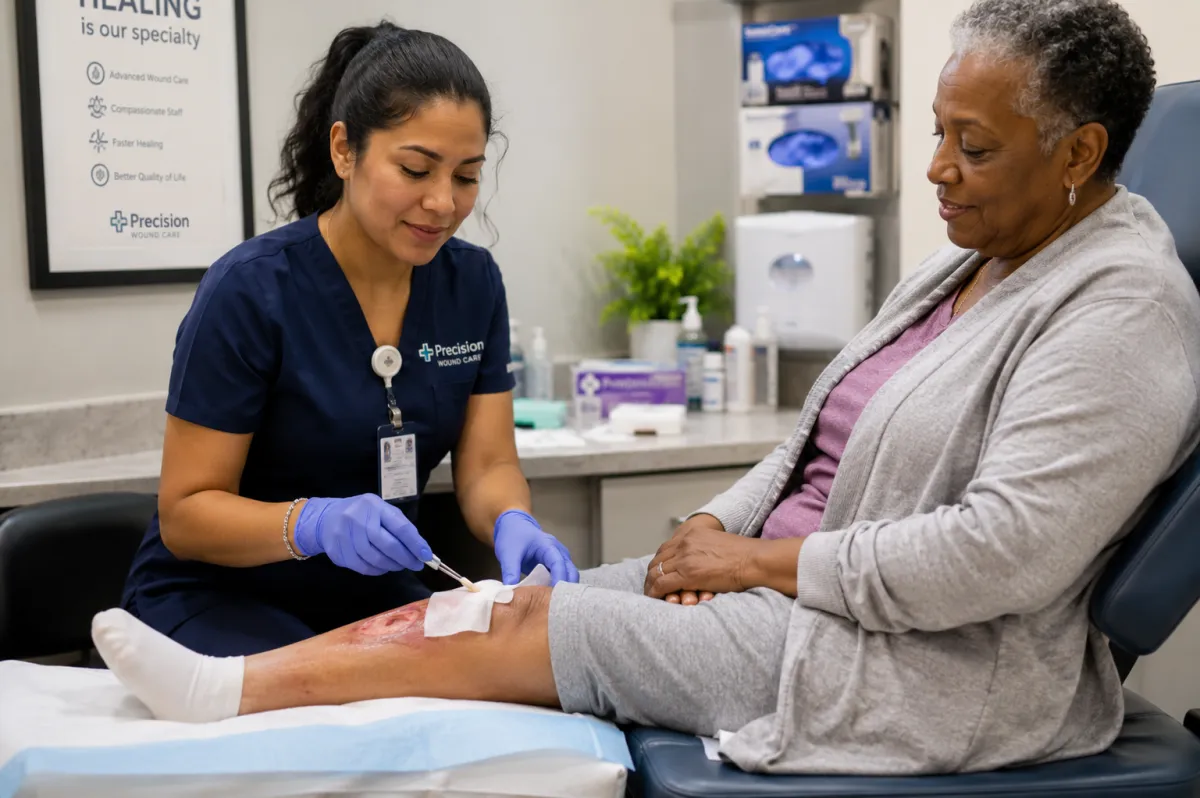
Why Specialty Wound Care
A Wound That Won't Heal Needs A Different Plan.
Wounds open longer than four weeks rarely heal on their own. They need consistent attention, the right therapies, and a team that's actually paying attention to the underlying causes, circulation, nutrition, infection, glucose control.
Because our team also supports broader primary care and wellness needs, we’re able to look beyond the wound itself and address the bigger picture impacting healing.
Same-week appointments for new wound patients
Coordinated with your primary care team
In-network with most major insurance plans
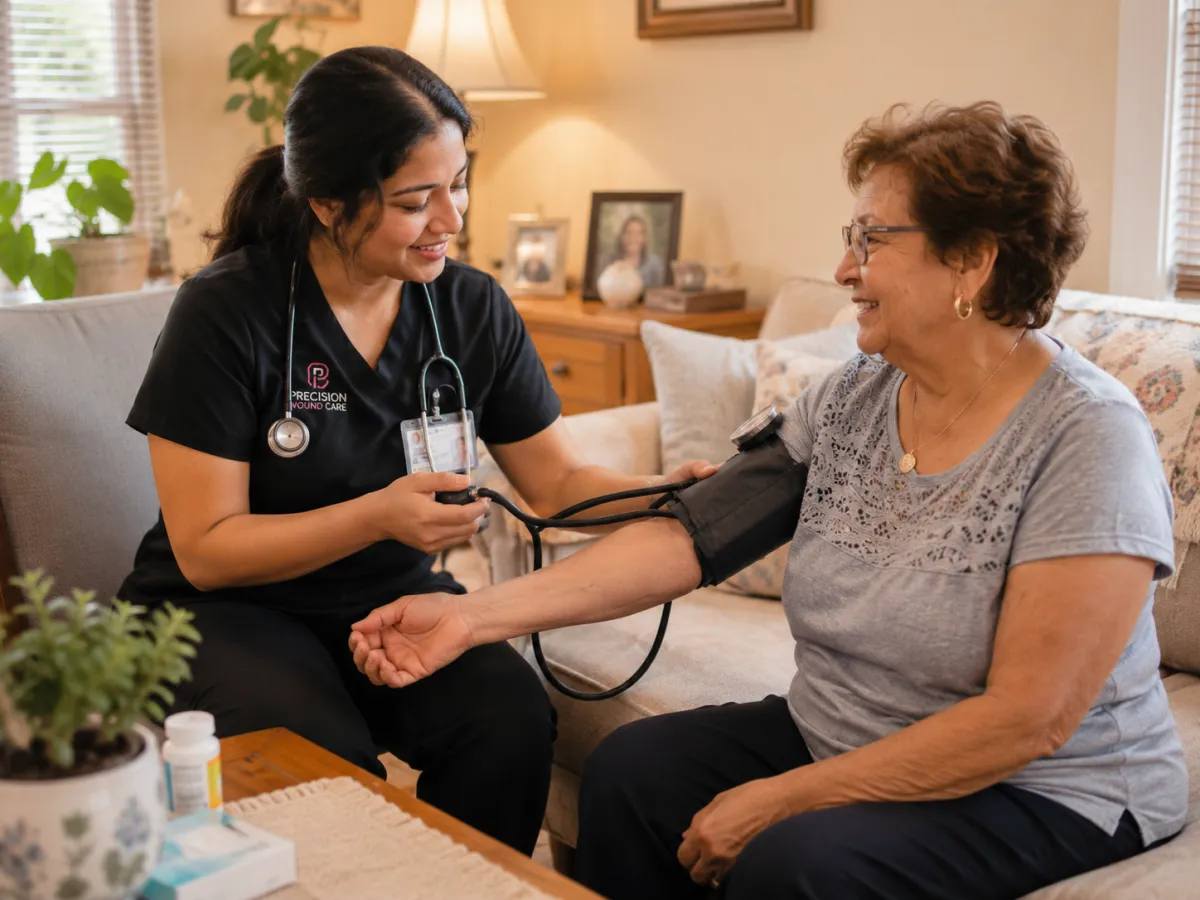
Conditions We Treat
Wounds We Specialize In
If your wound has been open for four weeks or more, it's time we took a look.
Common conditions we treat include:
Diabetic Foot Ulcers (DFU)
Specialized preventative and advanced wound care, infection screening, offloading, and tissue recovery plans.
Pressure Ulcers
Stages I-IV bedsores, pressure management, nutritional support, and dynamic offloading instructions.
Venous Leg Ulcers (VLU)
Advanced multi-layer compression systems, venous circulation evaluations, and active drainage controls.
Post-Surgical Wounds
Treatment for slow-healing surgical incisions, post-op skin dehiscing, and wound care management after procedures.
Traumatic Wounds (Skin Tears, Burns)
Rapid care for painful skin tears, skin grafts, abrasions, lacerations, and minor thermal burns.
Chronic Non-Healing Wounds
Complex ulcers open over 4 weeks that require targeted cellular therapy and specialized medical dressing protocols.
Conditions We Treat
Wounds We Specialize In.
If your wound has been open for four weeks or more, it's time we took a look.
Common conditions we treat include:
Diabetic Foot Ulcers
Specialized care, offloading, and infection management.
Pressure Ulcers
Stages I-IV, including offloading and wound bed prep.
Venous Leg Ulcers
Compression therapy, vascular workup, healing plans.
Surgical Wound Complications
Slow-healing incisions, post-surgical wounds, and recovery concerns after procedures.
Traumatic & Burn Wounds
Lacerations, abrasions, partial-thickness burns.
Non-Healing & Chronic Wounds
Wounds open >4 weeks despite at-home care.
What to Expect
A Gentle, Structured Path To Healing.
From your first visit through closure, you'll always know what's next and why.

Comprehensive Wound Assessment
Wound measurement, photo documentation, vascular & sensation check.

Personalized Treatment Plan
We agree on treatment options, dressing schedule, and expected timeline.

Ongoing Weekly Care
Debridement, advanced dressings, compression, whatever the wound needs.

Coordinated Follow-Through
Coordination with primary care, telehealth check-ins, home-care instructions.
Services
Located In Alabama?
Need specialized advanced wound care? We work alongside Healing Headquarters for cutting-edge mobile wound care technology.
Sister Clinic
SERVICE AREA
Proudly serving patients across the state of Florida with bedside clinical excellence.
Frequently Asked Questions
Clinical Resource Library
Clear, physician-aligned descriptions designed to help 75-to-95-year-old patients or family caregivers understand healing patterns at home.
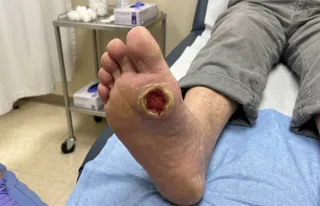
What is a (DFU) Diabetic Foot Ulcer?
A diabetic foot ulcer is an open sore or wound that develops on the foot in people with diabetes, often caused by poor circulation and nerve damage that reduce feeling in the feet and slow healing. These ulcers can begin from a small cut, blister, or pressure spot and may become serious if not treated promptly. Symptoms can include redness, swelling, drainage, or an unpleasant odor, though some patients may not feel pain. Early treatment, daily foot checks, good blood sugar control, and proper footwear are important to help prevent complications and promote healing.
What is a Pressure Ulcer?
A pressure ulcer, also known as a bed sore or pressure injury, is an area of damaged skin and tissue caused by prolonged pressure on the skin, most commonly over bony areas such as the heels, hips, tailbone, or elbows. These wounds often develop in people who have limited mobility or spend long periods sitting or lying in one position. Symptoms may include redness, pain, skin breakdown, drainage, or open sores. Early treatment, regular repositioning, proper nutrition, skin care, and pressure-relieving devices are important to promote healing and prevent complications.
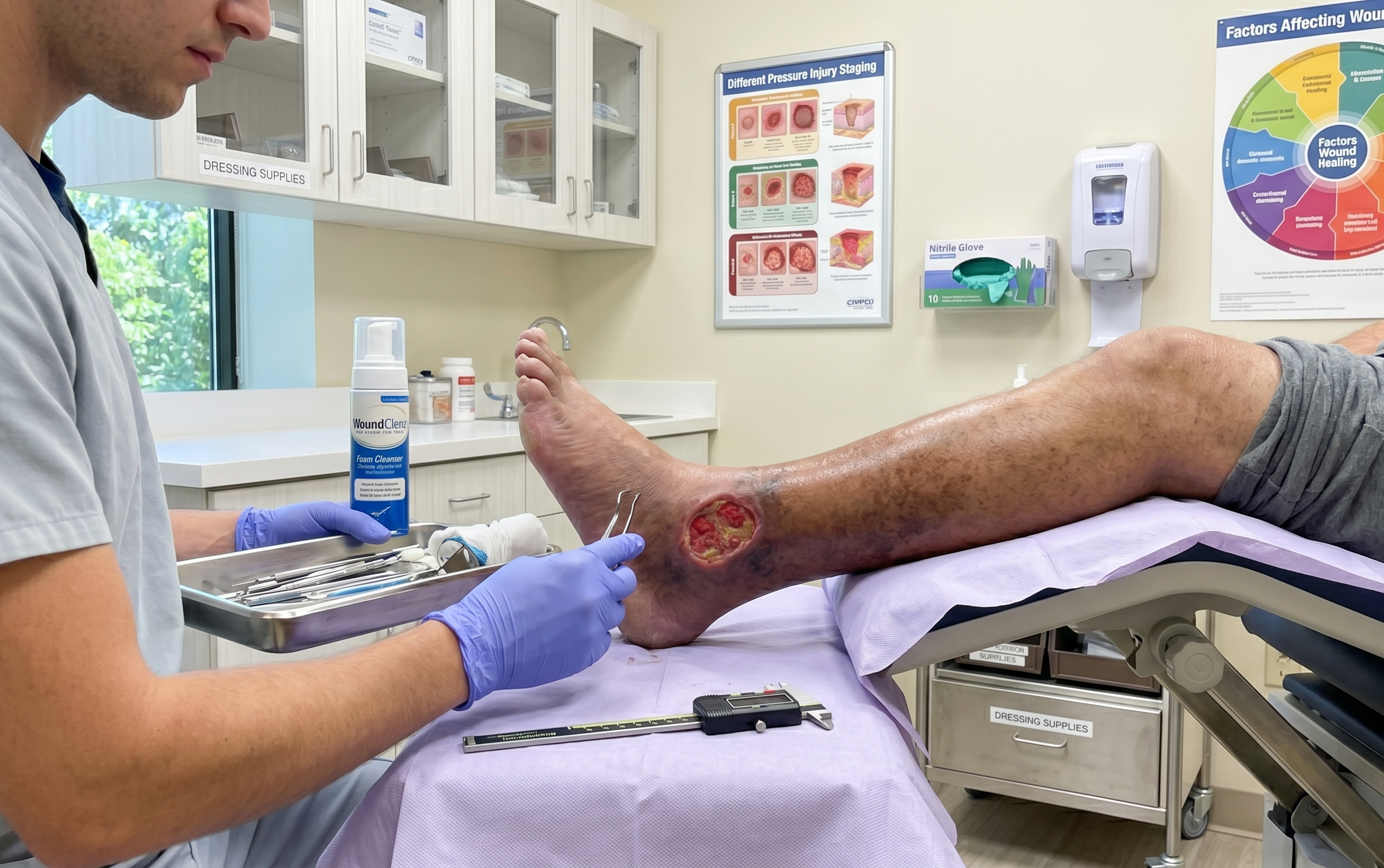
What is a (VLU) Venous Leg Ulcer?
A venous leg ulcer is an open sore that develops on the lower leg or ankle due to poor blood flow in the veins, most commonly in people with chronic venous insufficiency. When blood does not circulate properly back to the heart, pressure builds in the veins and can damage the skin, leading to a slow-healing wound. Venous leg ulcers may cause swelling, aching, skin discoloration, drainage, or itching around the affected area. Early treatment, compression therapy, leg elevation, regular exercise, and proper wound care are important to improve healing and help prevent recurrence.
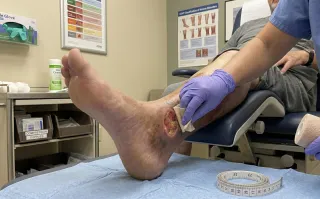
What are Post-Surgical Wounds?
A post-surgical wound is a wound or incision that remains after a surgical procedure as the body heals. While most surgical wounds heal normally, some may heal slowly or develop complications such as infection, drainage, swelling, or reopening of the incision. Factors such as diabetes, poor circulation, smoking, or certain medical conditions can affect healing. Proper wound care, keeping the area clean and protected, following post-operative instructions, and monitoring for signs of infection are important to support healing and prevent complications.
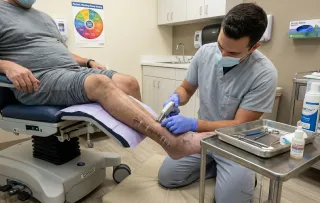
What are Traumatic Wounds (Skin Tears, Burns)?
A traumatic wound is an injury to the skin and underlying tissue caused by an external force such as a cut, skin tear, fall, burn, or injury from an accident. These wounds can range from minor skin tears to deep injuries involving muscles, tendons, or bones. Symptoms may include pain, bleeding, swelling, bruising, or drainage. Proper cleaning, wound care, and medical treatment are important to prevent infection, promote healing, and reduce the risk of complications.
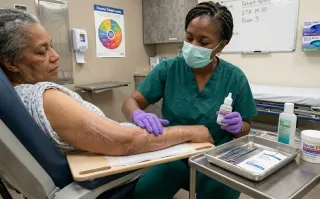
What are Chronic Non-Healing Wounds?
A chronic non-healing wound is an open sore, injury, or ulcer that fails to progress through the normal, orderly stages of healing within a standard timeframe, typically lasting for more than four to six weeks. These wounds often occur when underlying medical conditions, such as diabetes, severe vascular disease, prolonged immobility, or chronic inflammation, interfere with the body's natural reparative processes. Symptoms can include persistent pain, swelling, skin discoloration, foul-smelling drainage, or necrotic (dead) tissue within the wound bed. Specialized medical intervention, advanced wound care therapies, infection control, and addressing the root systemic causes are required to stimulate healing and prevent severe complications like deep tissue infections or amputation.
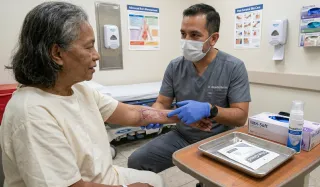
What to Expect
A Gentle, Structured Path To Healing
From your first visit through closure, you'll always know what's next and why.
Comprehensive Wound Assessment
Wound measurement, photo documentation, vascular & sensation check.
Personalized Treatment Plan
We agree on treatment options, dressing schedule, and expected timeline.
Ongoing Weekly Care
Debridement, advanced dressings, compression, whatever the wound needs.
Coordinated Follow-Through
Coordination with primary care, telehealth check-ins, home-care instructions.
Services
Located In Alabama?
Need specialized advanced wound care? We work alongside Healing Headquarters for cutting-edge mobile wound care technology.